
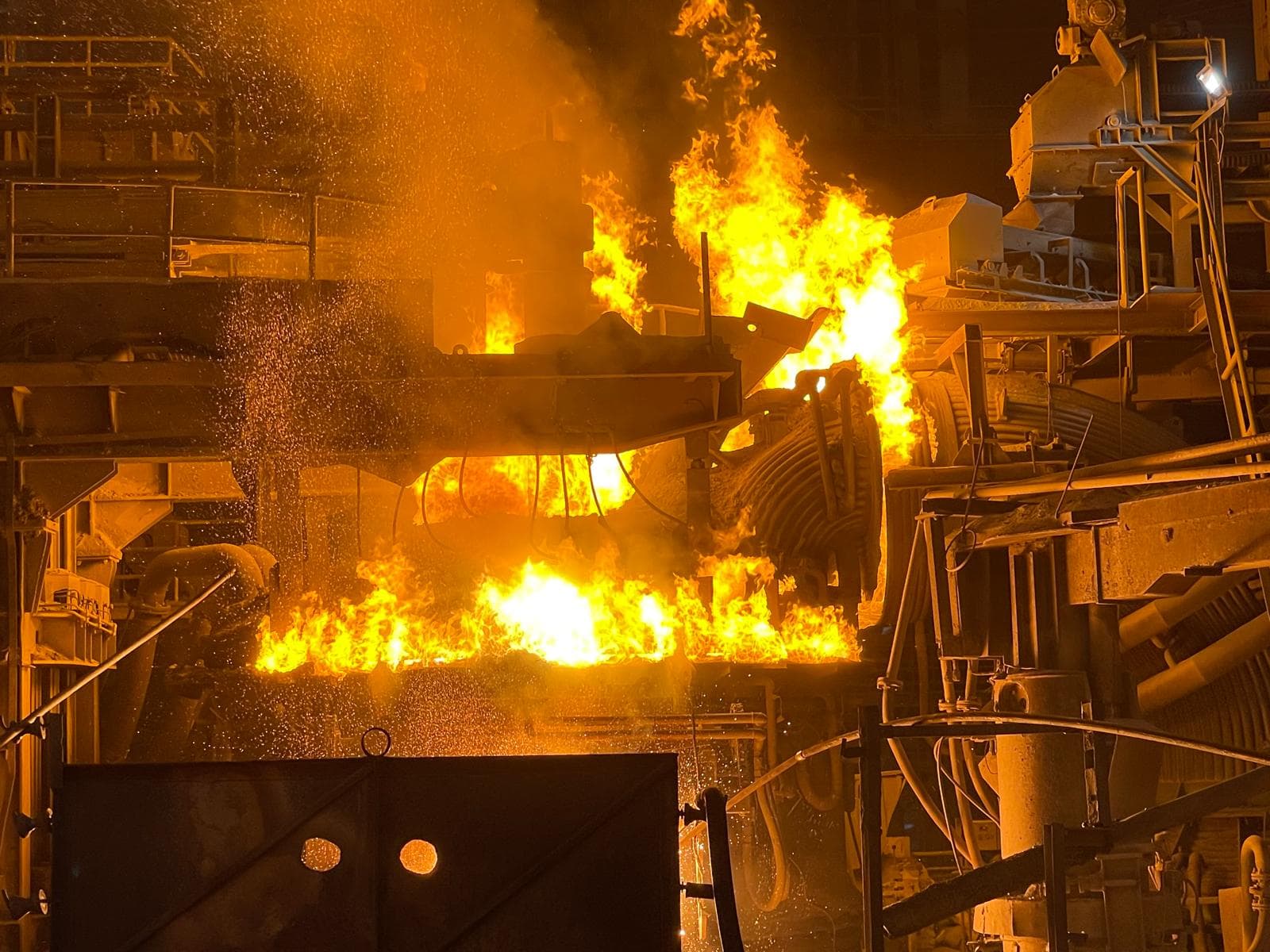
Modeled outcome


The Challenges
Hidden Suppliers, Hidden Savings
Global sourcing is manual and high-friction. Fragmented emails, calls, and WhatsApp mean critical details vanish and follow-ups are missed.
Copper in Scrap Is Like Salt in Soup
Once it's in the heat, it's permanent. A 0.2% copper spike ruins a $100K+ batch. Why find out at 1,800°C when you can catch it at the yard, prior to shipping?
Autonomous AI Workforce
No staffing required
Each handles a distinct step of the procurement workflow, from finding suppliers to blocking contaminated scrap. All running 24/7.
Not the cheapest scrap
The lowest cost per liquid ton
In an Electric Arc Furnace, a cheap load with hidden copper costs more than premium scrap. Breven calculates what actually matters.
Predict chemistry before purchase
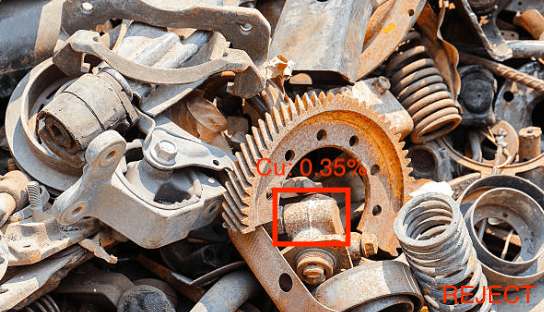
Vision models and chemistry databases flag contamination risk on every lot before it ships. You see a probability score, not just a price. Copper in scrap is like salt in soup. If it is there, it cannot be removed. Breven catches it before the buy.
Negotiate autonomously
Voice AI and email agents handle supplier outreach in real time. They ask the right questions about chemical composition, push for better terms, and never forget to follow up.
Calculate the true Melt ROI
We do not find the cheapest scrap. We find the lowest cost per liquid ton. That means factoring in dilution ratios, rework cycles, and scrapped heats that legacy ERPs ignore completely.
From chaotic inbox to your ERP
Beyond sourcing and negotiation, Breven turns the paperwork itself into structured, validated purchase-order data, enforcing your financial guardrails before anything reaches your system of record.
Any supplier document → clean PO data
Photographed invoices, scanned PDFs, and CSVs become validated, policy-checked purchase-order data, staged into relational tables and bridged to your ERP with a full audit trail and zero manual entry.
Explore the EngineApprove flagged documents in one click
Sign in to the human-in-the-loop workspace: review each flagged document beside its extracted data, then approve to re-stage it to your ERP and fire the durable, idempotent webhook.
Open the WorkspaceBreven also sees your scrap
The autonomous workers handle the deal flow. Breven Vision handles the proof. Edge-AI cameras and on-device models grade and certify each load before it leaves the yard.
Defeat unfair mill deductions
Cameras scan ferrous scrap mid-air during the crane load. The system generates a hash-signed Certified Clean digital photo-log, giving you the proof you need at settlement.
Explore Visual CertificationTest the model on your data
Upload yard footage to see exactly which contaminants the edge hardware will catch. Or grade a phone photo into per-metal valuation with Metal Auditor.
Open Vision EngineStop guessing on scrap quality
We will walk you through a live demo with real procurement data from a steel mill. See how Breven's AI workers find suppliers, negotiate, and block contaminated loads.
Book Democontact@breven.ai